
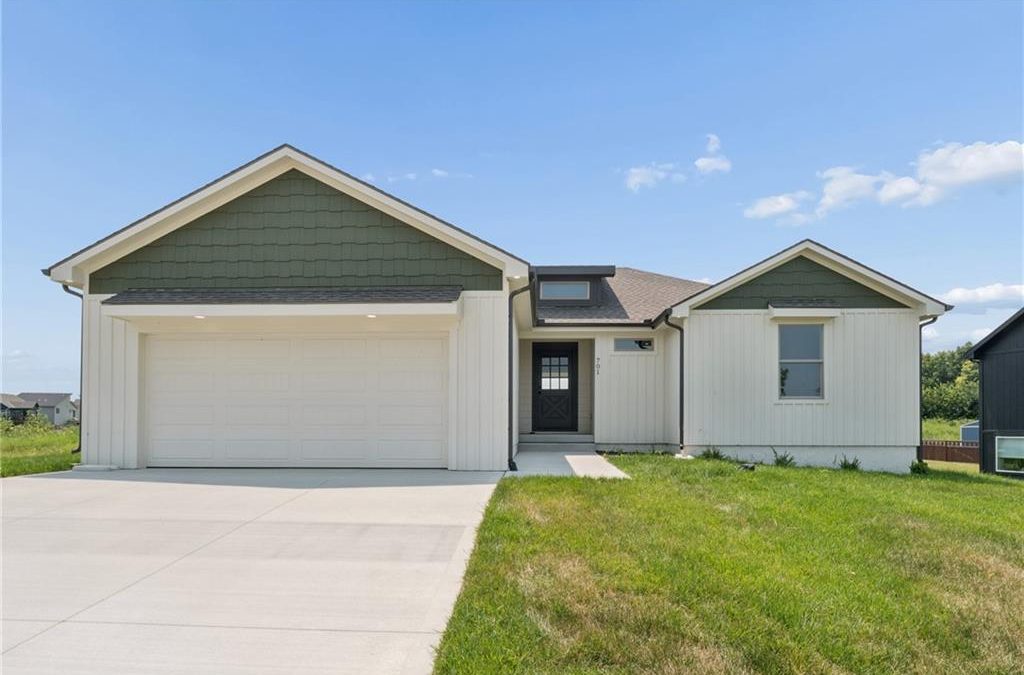
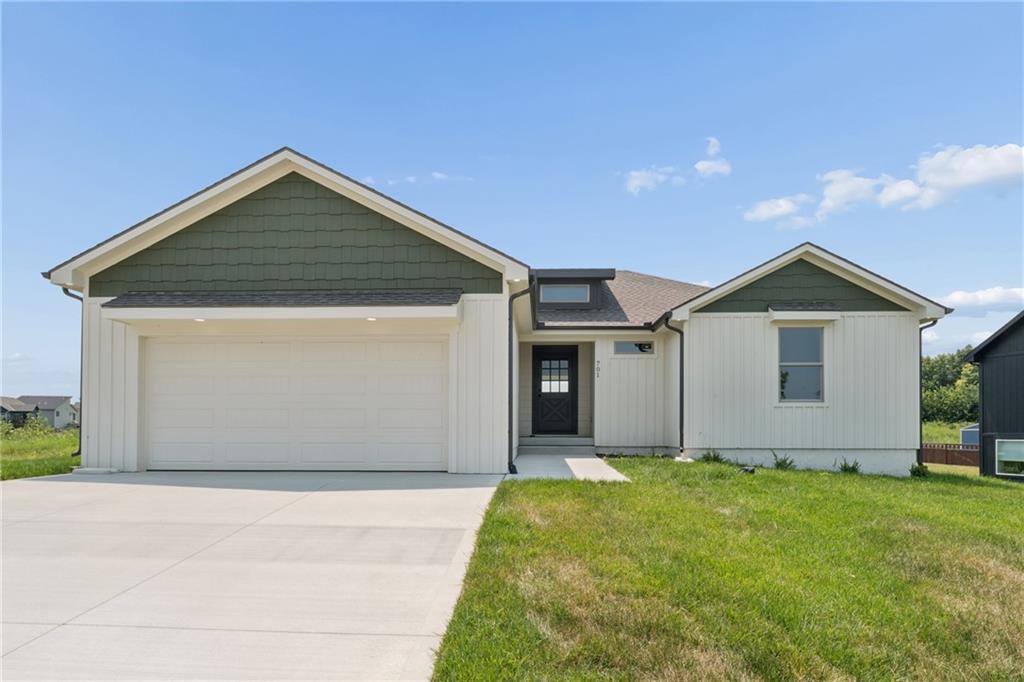
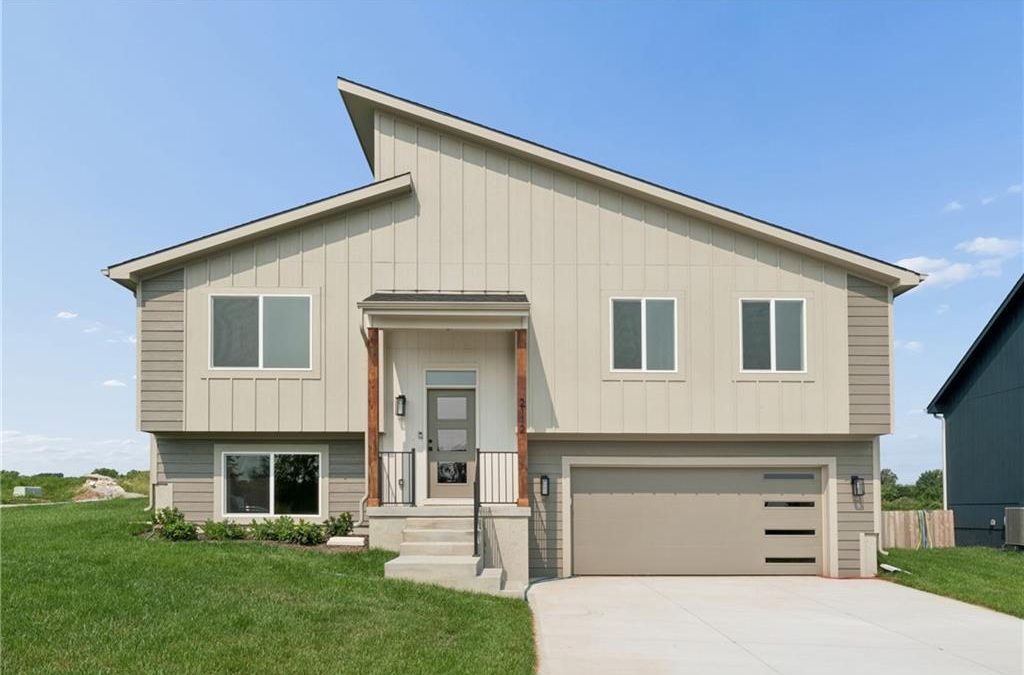
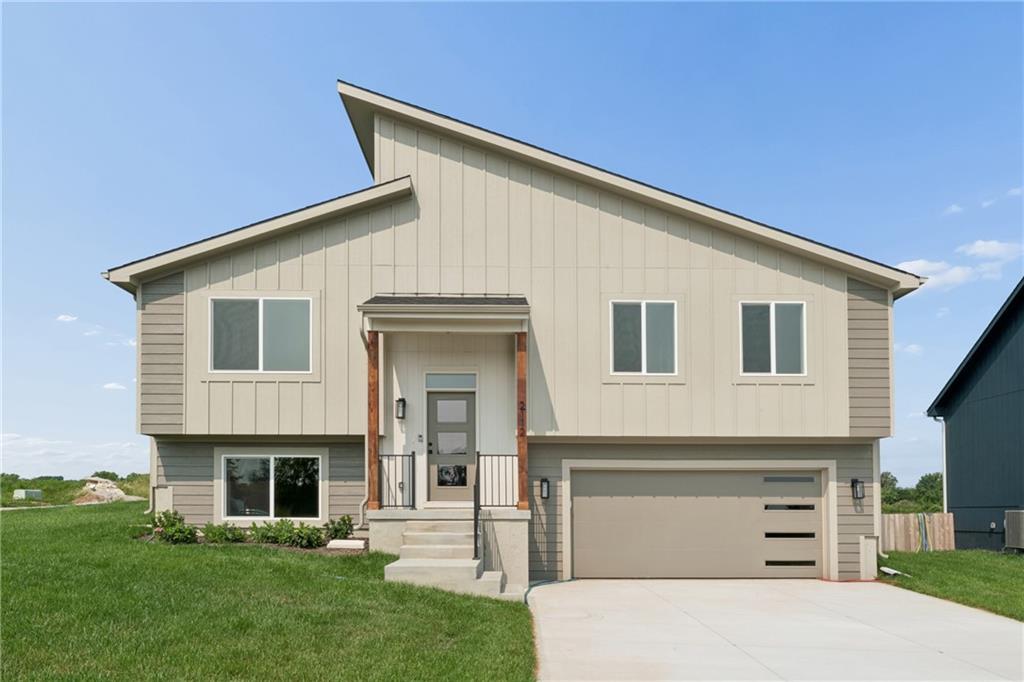
Active | Open House: Sat, Aug 22, 2026 01:00 PM – 04:00 PM | 2112 SE Oak Ridge Drive, Oak Grove, MO 64075

Active | 9300 SW Tsunami Court, Lee’s Summit, MO 64064

5
Bedrooms
3
Full Baths
0
Half Baths
3859
Sqft
0.39
Acre
Come check out this big and beautiful 5 bedroom straight ranch. Former model home with many upgrades including real hardwood floors, crown molding, Pella windows & more. If you are looking for an open concept ranch, this is it! The moment you walk through the front door, you will notice the soaring high ceiling and the cozy corner stone fireplace with lots of windows and natural light. The kitchen is stunning with loads of custom cabinets, large pantry and a 10 ft island! Surrounding the kitchen will be a formal dining area if needed and a breakfast area. Off the kitchen is separate laundry room (nice size) and one of the best drop zones! Bedrooms are all very spacious. The basement has a large additional family room with nice size wet bar, with 2 very large bedrooms. Media room is a professional recording studio with the walls and ceilings being soundproof. 100 inch TV will stay with media room along with the larger tvs throughout. This kind of space would be great for any podcasters or a great music room. Unfinished areas also available for loads of storage. The garage is a true 4 car with the 5th a tandem. Hard to find garage space like this that will fit a larger SUV/truck and still have plenty of room to move around. The tandem garage would also make a great work shop or even store a boat. You have more than enough space for your toys here! Nice private back yard with covered patio and no direct backyard neighbors. Who needs a pool when you can walk across the street? So easy to enjoy without the maintenance. Paved walking trails throughout. Quiet neighborhood, but close to several nice restaurants and convenient for highway access. Legacy Park, Blue Springs Lake , Missouri Town & the Buffalo are all close by also. This is the kind of home that can make everyone happy and have plenty of space to call their own!

Active | Open House: Sun, Aug 16, 2026 01:00 PM – 04:00 PM | 9300 SW Tsunami Court, Lee’s Summit, MO 64064
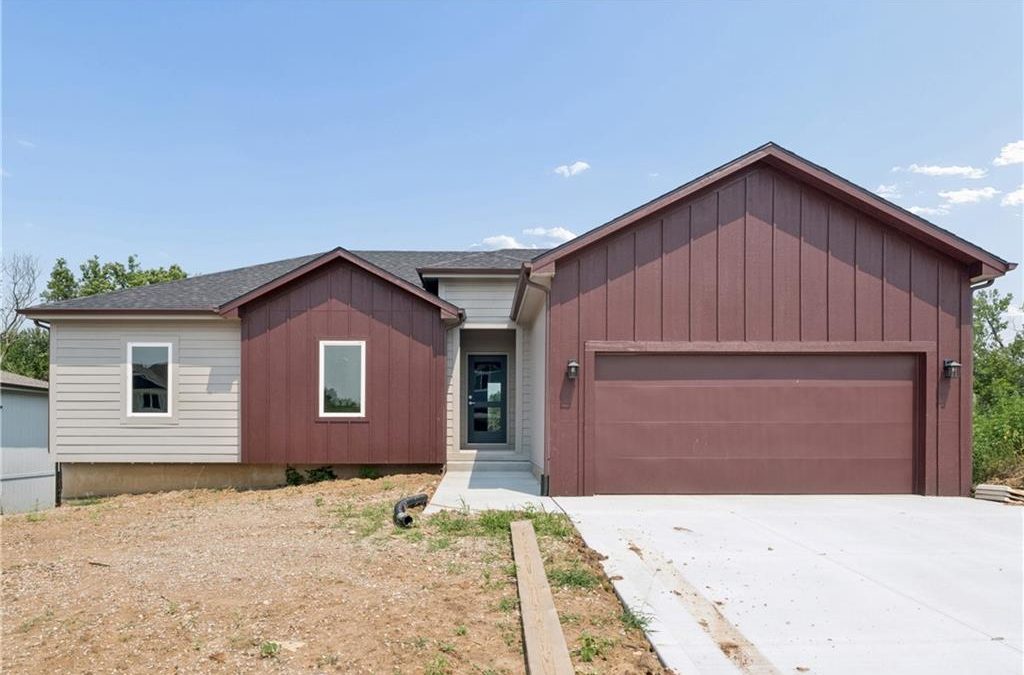
Active | Open House: Sat, Aug 15, 2026 01:00 PM – 04:00 PM | 612 SE 21st Street, Oak Grove, MO 64075
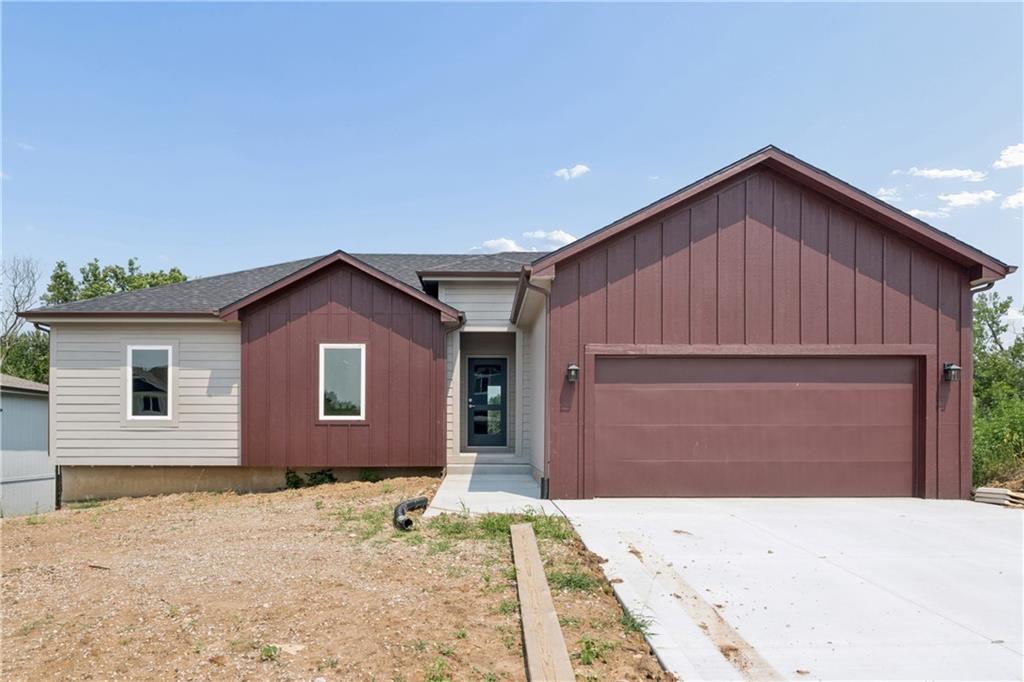
Late Summer Landscaping: Simple Ways to Refresh Your Home’s Exterior
By late summer, even a well-maintained yard can begin to show signs of wear. Heat, heavy rain, weeds, fading flowers, and months of outdoor activity can leave lawns and landscaping looking tired. The good news is that improving your home’s curb appeal doesn’t require a complete makeover. A few simple updates can make your property look cleaner, healthier, and more inviting while preparing it for the changing season.
Start with a Thorough Cleanup
The easiest way to refresh your landscape is by removing anything that no longer belongs. Clear away weeds, fallen branches, dead plants, empty containers, and other outdoor clutter. Pay attention to walkways, driveway edges, flower beds, and the area around your front entrance. A clean, well-maintained yard immediately creates a more polished first impression.
Refresh Garden Beds
Well-defined flower beds help give your landscape a neat and organized appearance. Trim overgrown edges, remove weeds, and add a fresh layer of mulch where needed. Mulch not only improves the look of garden beds but also helps retain moisture and reduce weed growth. Be careful not to pile mulch directly against tree trunks or the foundation of your home.
Trim and Add Seasonal Color
Overgrown shrubs and tree branches can hide windows, block walkways, and make a home feel smaller. Trim vegetation carefully to improve visibility while maintaining the natural shape of plants. You can also brighten your entryway with a few container plants or late-summer flowers. Coordinated planters near the front door or porch provide an easy way to add color without redesigning the entire landscape.
Care for Your Lawn
A healthy lawn remains one of the most noticeable features of any property. Continue mowing at the proper height, remove visible weeds, and repair bare patches when appropriate for your region. If you have an irrigation system, inspect it for leaks, broken sprinkler heads, or uneven coverage to avoid wasting water and ensure your landscape stays healthy.
Focus on the Entry
Your front entrance sets the tone for visitors and potential buyers. Clean the front door, replace worn doormats, polish door hardware, and make sure house numbers are easy to see. Check outdoor lighting by replacing burned-out bulbs and cleaning light fixtures. As daylight hours become shorter, proper lighting improves both safety and curb appeal.
Think Like a Buyer
If you’re planning to sell your home, remember that buyers begin forming opinions before they step inside. Clean walkways, neatly trimmed landscaping, and a clutter-free yard can make your home appear well cared for and move-in ready. Small improvements often provide a greater return than expensive landscaping projects that require ongoing maintenance.
The Bottom Line
Late-summer landscaping is about restoring order and preparing your home for the months ahead. Cleaning up the yard, refreshing garden beds, maintaining the lawn, and improving your entryway can dramatically enhance curb appeal without a major investment. Whether you’re planning to sell or simply want to enjoy your home through the fall season, these practical updates can make your property look its very best.
Grilled Peach and Corn Salad: A Fresh Late-Summer Favorite
Late summer is the perfect time to build meals around fresh produce. Peaches are sweet and fragrant, corn is crisp and abundant, and gardens and farmers markets are filled with tomatoes and herbs. This grilled peach and corn salad brings those seasonal ingredients together in a dish that feels special without requiring complicated preparation.
The combination of warm grilled fruit, smoky corn, crisp greens, juicy tomatoes, creamy cheese, and a bright homemade dressing creates a satisfying balance of flavors and textures. Serve it as a light lunch, a colorful side dish, or part of a relaxed backyard dinner.
It is also easy to adapt. Add grilled chicken for a complete meal, leave out the cheese for a dairy-free version, or replace the greens and toppings with ingredients already in your refrigerator.
Grilled Peach and Corn Salad
Servings: 4 as a side dish or 2 as a main course
Preparation time: 15 minutes
Cooking time: 10 minutes
Total time: Approximately 25 minutes
Ingredients
For the salad
-
3 ripe but firm peaches
-
3 ears of fresh corn, husks and silk removed
-
5 ounces arugula, spring mix, or chopped romaine
-
1 cup cherry or grape tomatoes, halved
-
½ small red onion, thinly sliced
-
½ cup crumbled feta or goat cheese
-
¼ cup fresh basil leaves, torn or thinly sliced
-
¼ cup toasted pecans, walnuts, or sliced almonds
-
1 tablespoon olive oil
-
Salt and freshly ground black pepper
For the dressing
-
3 tablespoons extra-virgin olive oil
-
1½ tablespoons fresh lemon juice
-
1 tablespoon balsamic vinegar
-
1 teaspoon honey or maple syrup
-
1 teaspoon Dijon mustard
-
1 small garlic clove, finely grated or minced
-
¼ teaspoon salt
-
Freshly ground black pepper to taste
How to Choose the Best Peaches
Look for peaches that smell fragrant and give slightly when gently pressed near the stem. They should be ripe enough to taste sweet but firm enough to remain intact on the grill.
Very soft peaches can become difficult to turn and may fall apart during cooking. If the peaches are still hard, leave them at room temperature for a day or two before making the salad.
Yellow peaches work especially well because their light acidity balances the sweetness of the corn and dressing. White peaches may also be used, although they generally have a milder flavor.
Step 1: Prepare the Dressing
Add the olive oil, lemon juice, balsamic vinegar, honey, Dijon mustard, garlic, salt, and pepper to a small jar. Close the lid securely and shake until the ingredients are combined.
Alternatively, whisk the dressing in a small bowl. Taste and adjust as needed. Add more lemon juice for brightness, honey for sweetness, or salt to bring the flavors together.
Set the dressing aside while preparing the salad.
Step 2: Heat the Grill
Preheat an outdoor grill or grill pan to medium-high heat. Clean and lightly oil the cooking surface to help prevent sticking.
Cut each peach in half and remove the pit. Cut the halves into thick wedges or leave them halved for grilling. Lightly brush the peaches and corn with one tablespoon of olive oil.
Season the corn with a small amount of salt and pepper.
Step 3: Grill the Peaches and Corn
Place the corn directly on the grill. Cook for approximately 8 to 10 minutes, turning every few minutes, until the kernels are tender and lightly charred on several sides.
Place the peaches cut-side down on the grill. Cook for approximately 2 to 3 minutes, or until grill marks appear. Turn carefully and cook for another minute if desired.
The goal is to warm and lightly caramelize the fruit without making it overly soft.
Transfer the peaches and corn to a plate and allow them to cool for several minutes.
Step 4: Assemble the Salad
Place the greens in a large serving bowl. Add the tomatoes, red onion, basil, and crumbled cheese.
When the corn is cool enough to handle, stand each ear upright on a cutting board and carefully slice downward to remove the kernels. Add the corn to the salad.
Slice the grilled peaches into smaller wedges if they were grilled in halves. Arrange them over the greens.
Drizzle approximately half of the dressing over the salad and toss gently. Add more dressing as needed. Finish with the toasted nuts and additional black pepper.
Serve immediately.
Easy Ways to Make It a Complete Meal
This salad works well as a side dish, but it can easily become a full lunch or dinner.
Try adding:
-
Sliced grilled chicken
-
Grilled shrimp
-
Seared salmon
-
Chickpeas or white beans
-
Cooked quinoa or farro
-
Crispy bacon or prosciutto
-
Sliced avocado
-
Grilled halloumi cheese
For a summer gathering, serve the salad with grilled chicken, burgers, seafood, or vegetable skewers. It also pairs well with crusty bread, iced tea, sparkling water, or lemonade.
Ingredient Substitutions
One of the strengths of this recipe is its flexibility.
No peaches? Use nectarines, plums, pineapple, or fresh berries.
No fresh corn? Use thawed frozen corn. Sauté it in a hot skillet until lightly browned.
No arugula? Substitute spinach, romaine, spring mix, or finely chopped kale.
No feta or goat cheese? Try fresh mozzarella, blue cheese, shaved Parmesan, or dairy-free cheese.
Nut-free option: Replace the nuts with roasted sunflower seeds or pumpkin seeds.
Vegan option: Omit the cheese or use a plant-based alternative, and choose maple syrup instead of honey for the dressing.
Can This Salad Be Made Ahead?
Several parts of the recipe can be prepared in advance.
The dressing may be made up to three days ahead and stored in a covered container in the refrigerator. Bring it to room temperature and shake well before using.
The corn and peaches may be grilled several hours before serving. Store them separately in the refrigerator once cooled.
For the best texture, assemble the salad shortly before serving. Adding the dressing too early may cause the greens to wilt.
How to Store Leftovers
Store leftover salad in an airtight container in the refrigerator and use it within one day. The flavor will still be enjoyable, although the greens may soften after being dressed.
For meal preparation, keep the greens, grilled produce, cheese, nuts, and dressing in separate containers. Combine them just before eating.
The Perfect Taste of Late Summer
Grilled peach and corn salad captures what makes August cooking so appealing: fresh ingredients, simple preparation, and plenty of color. The warm peaches and smoky corn add depth, while the greens, herbs, tomatoes, and lemon-balsamic dressing keep the dish light and refreshing.
Whether served at a backyard gathering, a family dinner, or a quiet meal at home, this versatile salad offers an easy way to enjoy the best flavors of the season.
First-Time Home Buyers Guide: Steps to Buying Your First Home
Buying your first home is an exciting milestone, but the process can also feel overwhelming. From saving for a down payment to choosing the right neighborhood and understanding your mortgage options, there are many decisions to make.
The good news is that you do not have to figure everything out at once. With the right preparation and a clear plan, buying your first home can be a smoother and more confident experience.
1. Know Your Budget Before You Start Looking
Before browsing homes online or scheduling showings, take a close look at your finances.
Consider your income, monthly expenses, savings, debts, and future financial goals. Your home budget should include more than the mortgage payment. Remember to account for property taxes, homeowners insurance, utilities, maintenance, and other homeownership costs.
Knowing what you can comfortably afford can help you avoid falling in love with a home that stretches your budget too far.
2. Save for Your Down Payment and Closing Costs
A down payment is one of the biggest expenses for many first-time buyers. However, the amount you need can vary depending on the loan program and your financial situation.
You should also plan for closing costs, which may include lender fees, title services, inspections, and other expenses related to purchasing the home.
Creating a savings plan early can make these costs easier to manage.
3. Get Pre-Approved for a Mortgage
Mortgage pre-approval can give you a clearer idea of how much you may be able to borrow. It can also show sellers that you are a serious buyer.
Before choosing a loan, compare different mortgage options and understand the interest rate, monthly payment, loan term, and total costs.
A mortgage professional can help you understand which options may fit your situation.
4. Decide What You Really Need in a Home
It is easy to focus on beautiful kitchens, large yards, or updated bathrooms when viewing homes. However, first-time buyers should also think about how the home will support their everyday life.
Make a list of your priorities. Consider the number of bedrooms, location, commute, schools, outdoor space, storage, and access to shopping and services.
Separate your must-haves from features that would simply be nice to have. This can make your home search more focused.
5. Choose the Right Location
You can change many things about a home, but you cannot move its location.
Think about the neighborhood and how it fits your lifestyle. Look at commute times, nearby amenities, parks, schools, community features, and future development.
A home that meets your needs in a location you enjoy can provide greater satisfaction over the long term.
6. Do Not Skip the Home Inspection
A home may look perfect during a showing, but an inspection can uncover issues that are not immediately visible.
Depending on the property, an inspection may identify concerns with the roof, plumbing, electrical systems, foundation, heating, cooling, or other major components.
Understanding the property’s condition can help you make a more informed decision before completing the purchase.
7. Think Beyond the Purchase Price
The purchase price is only one part of the cost of owning a home.
First-time buyers should also consider ongoing expenses such as maintenance, repairs, utilities, insurance, property taxes, and possible homeowners association fees.
Planning for these costs can help you feel more financially prepared after moving in.
8. Take Your Time and Ask Questions
Buying your first home is a major decision. You do not need to rush simply because the process feels exciting or competitive.
Ask questions whenever something is unclear. Understand the offer, financing, inspection, closing process, and any other terms before moving forward.
Having knowledgeable professionals by your side can make the process easier to understand and navigate.
Your First Home Is About More Than Four Walls
Your first home is an important financial decision, but it is also where you may build new routines, create memories, and plan for the future.
The best first home is not necessarily the biggest or most expensive one. It is a home that fits your budget, lifestyle, and long-term goals.
With careful planning, realistic expectations, and the right guidance, you can approach the home-buying process with greater confidence and take an important step toward homeownership.
Market Insight to Help Buyers and Sellers Make Smarter Decisions
The real estate market continues to evolve as economic conditions, mortgage rates, and buyer demand shift throughout the year. Whether you are planning to buy your first home, sell your current property, or invest in real estate, understanding the latest market trends can help you make smarter decisions.
While every local market is different, several national trends are shaping today’s housing landscape. Staying informed allows both buyers and sellers to adapt their strategies and achieve better results.
Inventory Is Slowly Improving
One of the biggest changes in today’s housing market is the gradual increase in available homes for sale. After years of limited inventory, more homeowners are choosing to list their properties, giving buyers more options.
Although inventory remains below historical averages in many areas, the additional choices have created a healthier balance between buyers and sellers. Buyers can now compare more properties before making an offer, while sellers should focus on pricing and presentation to remain competitive.
Mortgage Rates Continue To Influence Buying Decisions
Mortgage rates remain one of the most important factors affecting affordability. Even small changes in interest rates can significantly impact monthly mortgage payments.
Many buyers are carefully watching rate movements before entering the market. Others are choosing to buy now and refinance later if rates decline. Working with an experienced lender can help buyers understand their financing options and determine what fits their budget.
Home Prices Remain Resilient
Despite concerns about the economy, home prices have remained relatively stable in many markets. Limited housing supply continues to support property values, even as demand has moderated.
Price growth may not be as rapid as it was during previous years, but well-maintained homes in desirable neighborhoods continue to attract strong interest.
For sellers, realistic pricing remains one of the most effective ways to generate multiple showings and competitive offers.
Buyers Have More Negotiating Power
As the market becomes more balanced, buyers are gaining additional opportunities during negotiations.
Depending on local conditions, buyers may successfully negotiate for:
-
Closing cost assistance
-
Home repairs
-
Price adjustments
-
Seller concessions
-
Flexible closing timelines
This shift gives buyers more confidence while encouraging sellers to remain flexible during negotiations.
Sellers Still Have Opportunities
Although the market has become more balanced, sellers continue to benefit from ongoing buyer demand. Homes that are professionally prepared, accurately priced, and effectively marketed often sell within a reasonable timeframe.
Simple improvements such as fresh paint, professional photography, landscaping, and staging can make a significant difference in attracting qualified buyers.
Why Local Market Knowledge Matters
National headlines provide useful information, but local conditions ultimately determine how quickly homes sell and what buyers are willing to pay.
Factors such as neighborhood inventory, school districts, employment growth, and community development all influence local real estate activity.
Working with a knowledgeable real estate professional helps buyers and sellers understand these local dynamics and make informed decisions based on current market conditions.
Final Thoughts
The housing market is constantly changing, but opportunities still exist for both buyers and sellers. Understanding current market trends, monitoring mortgage rates, and staying informed about local conditions can help you move forward with confidence.
Whether you are buying your first home, upgrading to a larger property, or preparing to sell, informed decisions are the foundation of a successful real estate experience.
The best strategy is to stay flexible, work with experienced professionals, and focus on long-term goals rather than short-term market fluctuations.
Mortgage and Financing Tips to Help You Buy a Home with Confidence
Buying a home is one of the biggest financial decisions you will ever make. Understanding your mortgage and financing options can help you feel more confident throughout the home-buying journey. Whether you are purchasing your first home or planning your next move, knowing how home loans work can save you money and reduce stress.
The mortgage process may seem complicated at first, but with the right preparation and guidance, it becomes much easier to navigate.
Why Mortgage Pre-Approval Matters
One of the first steps in buying a home is getting pre-approved for a mortgage. Pre-approval gives you a clear understanding of how much you can afford and shows sellers that you are a serious buyer. A lender will review your income, credit history, debt, and financial assets before providing an estimated loan amount. Having a pre-approval letter can strengthen your offer, especially in competitive markets, because it demonstrates that your financing has already been evaluated.
Understand Your Mortgage Options
Not every mortgage is the same. Choosing the right loan depends on your financial goals, budget, and long-term plans. Conventional loans, FHA loans, VA loans for eligible military members and veterans, USDA loans for qualifying rural properties, fixed-rate mortgages, and adjustable-rate mortgages all serve different needs. Each financing option has its own advantages, qualification requirements, and interest rates, so working with a trusted lender can help you identify the loan that best fits your financial situation.
Improve Your Credit Before Applying
Your credit score plays an important role in determining your mortgage approval and the interest rate you receive. A stronger credit profile often leads to lower monthly payments and better financing opportunities. Before applying for a mortgage, it is wise to pay your bills on time, reduce outstanding debt, avoid opening new credit accounts, review your credit report for any errors, and keep your credit card balances as low as possible. Even small improvements can increase your borrowing power and help you qualify for better loan terms.
Save for More Than the Down Payment
Many buyers focus only on saving for a down payment, but several additional expenses come with purchasing a home. Closing costs, home inspections, property taxes, homeowners insurance, moving expenses, and future maintenance should all be part of your financial plan. Preparing for these costs ahead of time can help you avoid unexpected financial challenges after you receive the keys to your new home.
Interest Rates Affect Your Monthly Payment
Mortgage interest rates have a direct impact on your monthly payment and the overall cost of your loan. Even a small difference in your interest rate can save or cost thousands of dollars over the life of the mortgage. Although buyers cannot control market conditions, maintaining a strong credit score and comparing loan offers from multiple lenders can improve the chances of securing competitive financing. It is also important to choose a mortgage payment that fits comfortably within your monthly budget instead of borrowing the maximum amount available.
Avoid Common Financing Mistakes
Once you have been pre-approved, maintaining financial stability becomes especially important. Major financial changes before closing can delay or even jeopardize your loan approval. Financing a new vehicle, opening additional credit accounts, making large unexplained bank deposits, changing jobs, or missing payments on existing debts can all affect the lender’s final decision. Staying financially consistent throughout the process helps ensure a smoother path to closing.
Work With Experienced Professionals
Buying a home involves many important decisions, and having experienced professionals by your side can make the journey much easier. A knowledgeable real estate agent and a trusted mortgage lender can explain financing options, compare loan programs, organize the required documentation, negotiate effectively, and guide you from your initial offer through closing day. Their expertise helps reduce uncertainty and gives buyers greater confidence throughout the transaction.
Plan for Long-Term Homeownership
Your mortgage is only one part of the overall cost of owning a home. Before purchasing, it is important to think about future expenses such as maintenance, utilities, home improvements, and changes in your family’s needs over time. Buying within your budget provides greater financial flexibility and allows you to enjoy homeownership without unnecessary financial pressure.
Final Thoughts
Understanding mortgage and financing options is one of the smartest ways to prepare for buying a home. From improving your credit score and getting pre-approved to selecting the right loan and planning for long-term expenses, each step strengthens your financial foundation. Whether you are purchasing your first home or expanding your real estate portfolio, taking time to understand your financing options can help you make informed decisions and achieve your homeownership goals with confidence.